
Food Truck in Europe Trends and Popular Destinations in 2025
March 18, 2024
Mobile Kitchen Models & Food Truck Manufacturer
March 23, 2026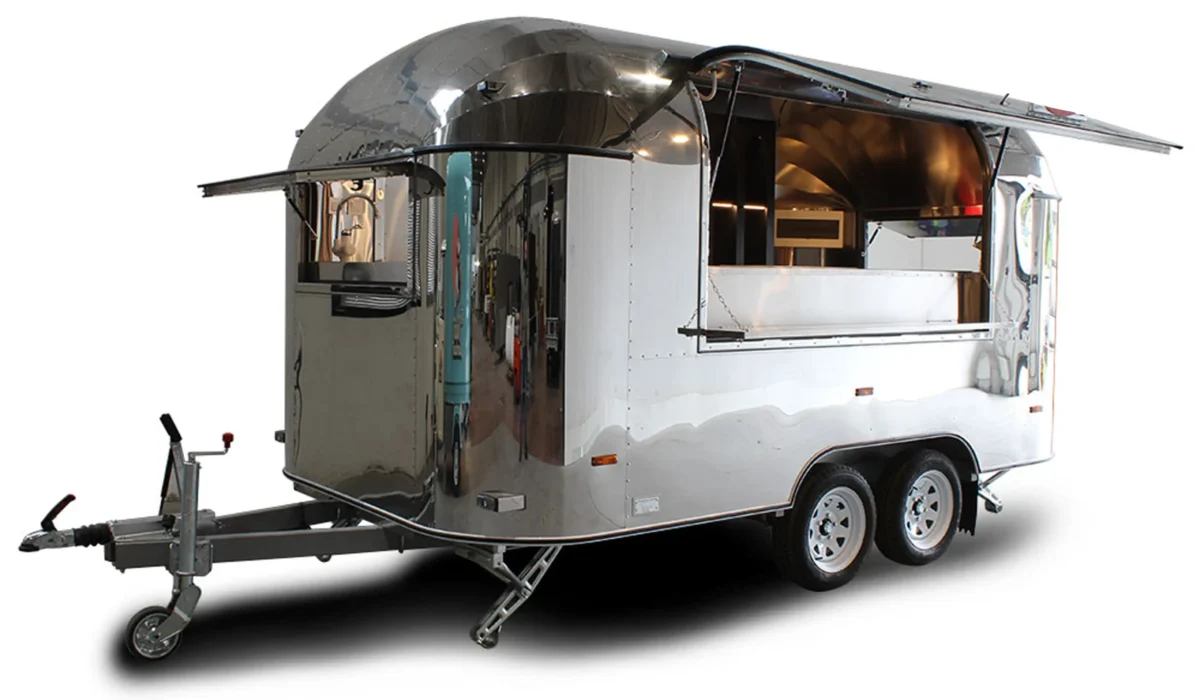
Food trucks offer a convenient and accessible way to enjoy diverse, freshly prepared meals wherever you are. Whether you want to grab a quick lunch near your workplace or cater a special event, food trucks bring flavors from around the world directly to your location. They provide a flexible dining option that combines mobility with a wide variety of menus, making them an ideal choice for many food lovers.
You can easily find food trucks using apps or online directories that show their current locations, menus, and even allow you to order ahead. This technology not only saves you time but also ensures you can discover new culinary options without the hassle of searching blindly.
With growing popularity, food trucks continue to innovate by offering unique dishes and convenient service tailored to busy lifestyles. Your next meal could be just around the corner, served fresh from a mobile kitchen ready to satisfy your appetite.
What Is a Food Truck?
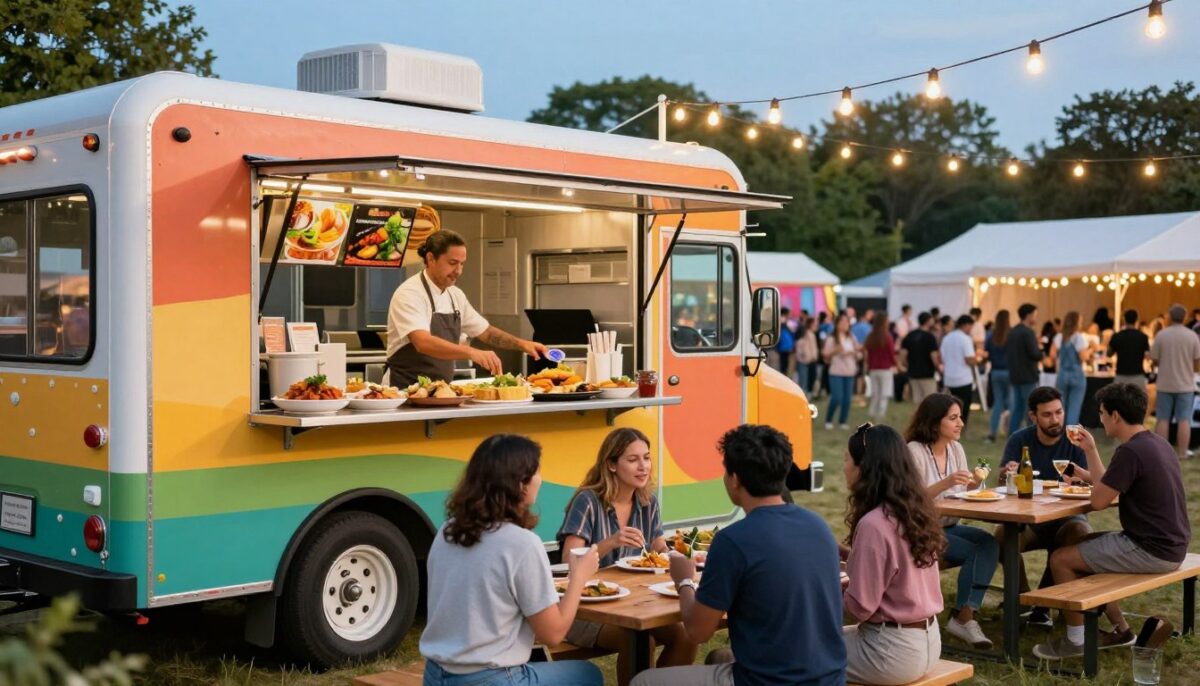
Food trucks are mobile kitchens that prepare and sell food directly from a vehicle. They combine mobility with the ability to cook and serve meals, offering diverse food options in varied locations. Understanding their structure, history, and how they differ from traditional restaurants will help you grasp their role in today’s food industry.
Definition and Concept
A food truck is a motorized vehicle or trailer outfitted with a kitchen to cook, prepare, and serve food and beverages. This cooking space typically includes grills, fryers, and storage areas, allowing you to offer a variety of fresh or reheated dishes. Customers order and receive their food directly at the service window, making the experience quick and convenient.
You can find food trucks offering everything from fast food to gourmet meals, desserts, and even specialty diets like vegan options. Their mobility allows you to operate in different locations, increasing your exposure to diverse customer bases.
History and Evolution
Food trucks began as simple vendors selling snacks or prepackaged food on city streets. Over time, they evolved into fully equipped mobile kitchens, expanding their culinary range and business opportunities. What started as a street food phenomenon has grown into a mainstream trend, with trucks appearing at festivals, corporate events, and private parties.
Advances in kitchen equipment and vehicle design have improved food quality and safety standards. This evolution has made food trucks a viable alternative to traditional dining, combining flexibility with professional-level food preparation.
Comparison With Traditional Restaurants
Unlike traditional restaurants fixed to one location, food trucks provide mobility, allowing you to bring food to where your customers gather. This mobility can reduce overhead costs such as rent and utilities but requires you to manage vehicle maintenance and location permits.
Food trucks have limited kitchen space compared to traditional restaurants, which can affect menu size and complexity. However, they offer speed and convenience, meeting the demand for quick meals in diverse settings. Your choice between a food truck and a traditional restaurant depends on your business goals, budget, and willingness to adapt to changing locations.
Starting a Food Truck Business
You need to navigate several practical steps to launch your food truck successfully. These include obtaining the proper legal approvals, carefully crafting your menu to fit your space and target market, and securing enough funding to cover initial and ongoing expenses.
Licensing and Permits
Starting your food truck requires specific licenses and permits to operate legally.
In Texas, for example, you'll need a food service establishment permit from the health department. You must also obtain a mobile food vendor license, which regulates where and when you can sell.
Other common permits include a food handler’s permit and possibly a fire safety inspection if you use cooking equipment with open flames.
You should check local city and county requirements since they vary and might require a business license and a parking permit.
Failing to secure these permits can result in fines or forced closure, so prioritize these before you launch.
Menu Planning and Design
Your menu should reflect your cooking style and appeal to your target customers while fitting your food truck’s limited space.
Focus on a concise selection of items that are quick to prepare and easy to serve. Prioritize dishes using ingredients that can be prepped in advance and stored safely.
Design the menu for readability and quick decision-making by customers. Use clear fonts and straightforward descriptions.
Balance variety with simplicity—too many items can overwhelm your team and slow service.
Consider dietary options like vegetarian or gluten-free if your market demands versatility.
Funding and Budgeting
Starting a food truck involves costs beyond purchasing or retrofitting the truck itself.
You’ll need to budget for permits, initial inventory, kitchen equipment, marketing, and insurance.
Calculate ongoing expenses such as fuel, maintenance, food costs, and staff wages.
Explore funding options like personal savings, small business loans, or investors.
Create a detailed business plan that outlines income projections and breakeven points to manage cash flow effectively.
Monitoring expenses carefully from day one helps ensure your operation remains financially viable.
Operations and Logistics
Efficient management of your food truck’s daily operations and logistics is critical to running a smooth business. This involves choosing optimal locations, managing staff schedules effectively, and adhering strictly to health and safety regulations.
Location Selection
Selecting your food truck’s location directly impacts your visibility and sales volume. Focus on high-traffic areas such as business districts, event venues, or popular parks where potential customers gather consistently. You should also research local regulations and permits required for each spot.
Consider using analytics tools or apps that track foot traffic and competitor presence. Moving your truck based on time of day or special events can also help maximize customer reach. Be prepared to adjust locations if a site underperforms consistently.
Staffing and Schedules
Your staff’s efficiency affects service speed and customer satisfaction. Create schedules that account for peak hours and days, ensuring you have enough team members to handle busy periods without overstaffing during lulls.
Cross-train employees in multiple roles, such as cooking and customer service, to maintain flexibility. Use scheduling software to manage shifts and reduce conflicts. Clear communication about responsibilities and start times will help minimize downtime and improve workflow.
Health and Safety Standards
Maintaining strict health and safety standards is non-negotiable. Ensure your truck meets all local health department requirements, including sanitation, food handling, and storage regulations.
Implement regular cleaning routines and checklists for equipment maintenance. Train your staff on proper hygiene practices and food safety protocols to reduce the risk of contamination. Stay updated on any changes in health codes that affect food trucks to avoid fines or closures.
Marketing Strategies for Food Trucks
To effectively market your food truck, focus on creating a strong visual presence, engaging your audience through social media, and building local partnerships. These strategies help you stand out, connect with customers, and increase your reach within the community.
Branding and Visual Identity
Your food truck’s branding should be clear, consistent, and memorable. Start with a distinctive logo that reflects your cuisine and style. Use bold colors and readable fonts that catch attention from a distance.
Apply your branding consistently on your truck, menus, packaging, and staff uniforms. This builds recognition and trust with customers. Consider unique graphics or themes that reflect your food’s story or origin to make your truck instantly recognizable.
Branding extends to the experience you provide. The look and feel of your service, from greetings to presentation, should match your brand’s personality. A coherent visual identity makes it easier for customers to remember and recommend your food truck.
Social Media Promotion
Social media is critical for keeping current customers informed and attracting new ones. Regularly post updates about your location, daily specials, and behind-the-scenes content. Use high-quality photos and short videos to showcase your menu visually.
Engage with followers by responding promptly to comments and messages. Use polls or questions to encourage interaction and gather feedback. Platforms like Instagram, TikTok, and Facebook are particularly effective for food trucks due to their visual focus and local community features.
Utilize local hashtags and geotags to increase your visibility to nearby potential customers. Consider partnerships with local influencers or running giveaways to boost engagement and reach.
Local Partnerships
Partnering with local businesses and events can expand your customer base. Collaborate with breweries, coffee shops, or markets where you can park your truck regularly. These partnerships create a steady flow of customers who frequent these locations.
Participate in local events, festivals, or farmers’ markets to expose your food truck to new audiences. Offer catering services for nearby offices or community gatherings to diversify your revenue streams.
Establishing good relationships with local suppliers and vendors can also improve your operations and support your marketing messages about fresh, local ingredients. These connections reinforce your presence in the community and build customer loyalty.
Food Truck Industry Trends
The food truck industry is evolving rapidly with significant changes in menu creativity, environmental responsibility, and digital tools. These shifts are essential for staying competitive and meeting customer expectations in 2025.
Culinary Innovations
You’ll notice food trucks increasingly embracing diverse and specialized menus to attract a wider audience. Plant-based options and fusion cuisines are especially popular, catering to growing dietary preferences like veganism and gluten-free diets.
Many operators experiment with gourmet ingredients and creative presentations, turning simple street food into culinary experiences. This trend helps differentiate your food truck in crowded urban markets where consumers seek unique flavors.
Menu flexibility remains crucial. You can quickly adapt to local events, seasons, or customer feedback by updating your offerings without significant overhead. This agility supports both innovation and customer retention.
Sustainability Practices
Sustainability has become a priority in your food truck operations due to growing environmental awareness among consumers. You can reduce waste by using compostable packaging and minimizing single-use plastics.
Energy-efficient appliances and eco-friendly food sourcing are also common strategies. Many trucks now partner with local farms to supply organic produce, which appeals to environmentally conscious customers.
Water conservation and waste recycling initiatives can lower your operational costs while demonstrating commitment to green practices. These efforts also enhance your brand image, setting you apart in a market increasingly valuing ethical business models.
Technology Integration
Technology is vital to streamlining your food truck business. Mobile payment systems like contactless and app-based options improve transaction speed and convenience, essential for busy, on-the-go customers.
Digital ordering platforms expand your reach beyond onsite sales by allowing pre-orders and delivery options. You can also leverage social media and GPS tracking to update customers on your location and specials.
Inventory management and sales analytics software help you monitor supplies and sales trends efficiently. This insight allows you to optimize stock levels and menu choices, improving profitability and reducing waste.