
Food Truck Business Strategies for Sustainable Growth
March 18, 2024
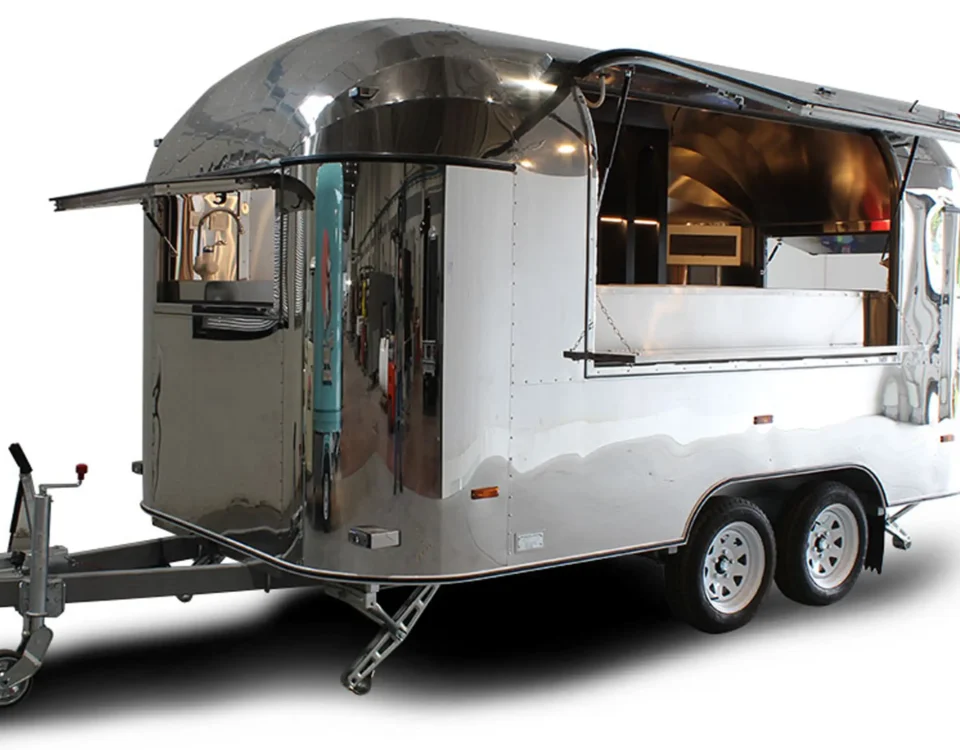
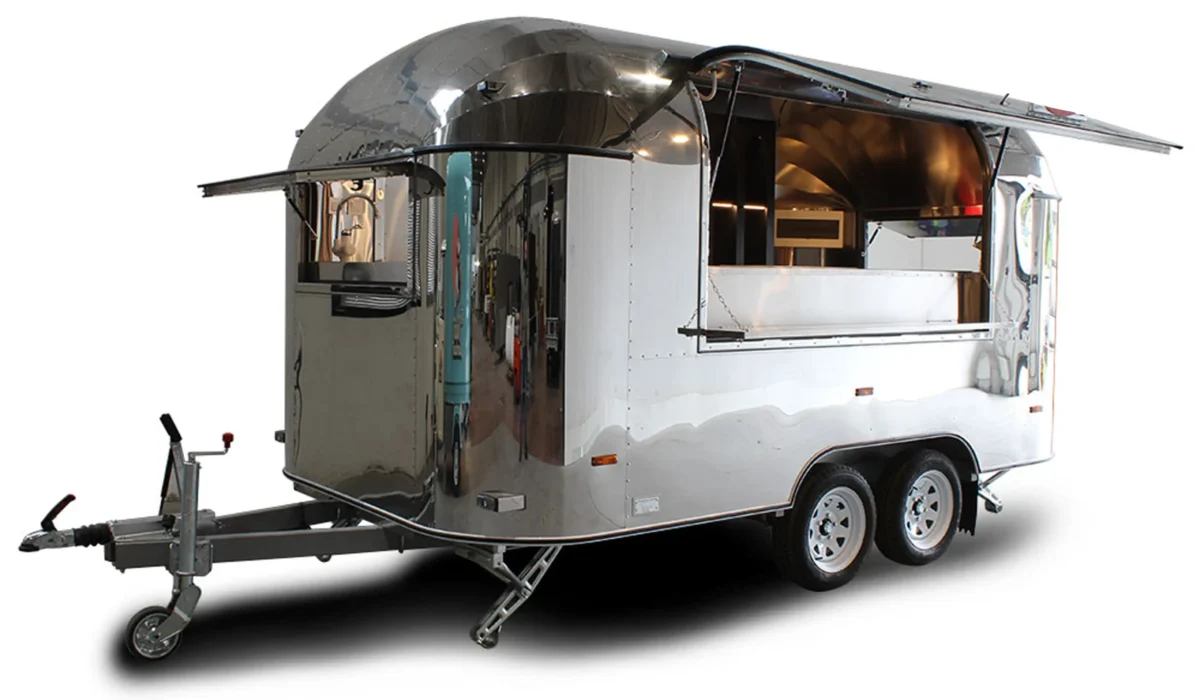
Starting a new venture in the culinary world brings a unique blend of excitement and hard work. As a leading manufacturer, we understand the specific hurdles you face when launching a mobile kitchen. Our team is dedicated to turning your vision into a reality with high-quality, custom builds that stand out on any street corner.
Success in the world of mobile catering relies on more than just great recipes. You need a reliable food truck designed to handle the daily grind of a busy service schedule. We focus on durability and efficiency to ensure your business runs smoothly from day one.
In this article, we will explore the evolution of this fast-paced industry. We will also break down the essential components of a top-tier build and the manufacturing process that helps your brand shine in a competitive market.
Key Takeaways
- Understanding the core requirements for a successful culinary vehicle.
- The importance of choosing a reliable manufacturer for your business.
- How custom designs improve your daily operational efficiency.
- Key trends shaping the future of the street food industry.
- Steps to ensure your build meets all local health and safety codes.
The Evolution of the Mobile Food Industry
From humble street food vendors to high-end mobile kitchens, the evolution of the mobile food industry is a story of innovation and adaptation. The industry has come a long way, transforming the way people consume food on-the-go and offering a diverse range of cuisines to cater to various tastes and dietary preferences.
The journey began with simple street carts, which were essentially portable kitchens that allowed vendors to sell food in public spaces. Over time, these basic setups evolved into more sophisticated mobile catering units, equipped with advanced cooking equipment and designed to provide a unique dining experience.
From Street Carts to Gourmet Mobile Restaurants
The transition from basic street carts to gourmet mobile restaurants has been driven by consumer demand for higher quality food and more engaging dining experiences. Modern mobile kitchens are now equipped with commercial-grade appliances, sophisticated point-of-sale systems, and ergonomic designs that enhance operational efficiency.
- Advanced cooking equipment for diverse menu offerings
- Sophisticated branding and marketing strategies
- Incorporation of technology for inventory management and customer engagement
These advancements have enabled mobile food businesses to expand their reach and cater to a wider audience, from food festivals to corporate events and private parties.
Current Trends Shaping the Mobile Catering Market
The mobile catering market is being shaped by several key trends, including the increasing demand for sustainable and eco-friendly practices, the integration of technology to enhance customer experience, and the rise of unique and gourmet food offerings.
- Sustainability: Eco-friendly packaging, energy-efficient equipment, and waste reduction practices are becoming more prevalent.
- Technology Integration: Mobile apps for ordering, digital signage, and social media marketing are being used to engage customers and streamline operations.
- Gourmet Offerings: Unique and high-quality menu items are being introduced to differentiate businesses and attract a loyal customer base.
By understanding and adapting to these trends, businesses in the mobile food industry can stay competitive and continue to thrive in a rapidly evolving market.
Choosing the Right Mobile Kitchen for Your Culinary Concept
A well-designed mobile kitchen is the backbone of any thriving mobile food service. It’s not just about having a kitchen on wheels; it’s about creating a mobile culinary experience that is both efficient and appealing to your target audience. The process begins with understanding your specific needs and translating them into a functional mobile kitchen.
Assessing Your Menu Requirements
To choose the right mobile kitchen, you first need to assess your menu requirements. This involves considering the type of cuisine you serve, the complexity of your dishes, and the equipment necessary to prepare them. For example, if your menu includes a lot of grilled items, you’ll need to prioritize the inclusion of high-quality grills and adequate ventilation systems.
Understanding your menu’s specific needs will help you determine the layout and equipment required for your mobile kitchen. It’s essential to strike a balance between offering a diverse menu and maintaining operational efficiency.
Determining the Ideal Vehicle Size and Type
The size and type of vehicle are critical factors. A larger vehicle provides more space for equipment and staff but may be more difficult to maneuver in crowded areas. Conversely, a smaller vehicle is more agile but may limit your menu offerings due to space constraints.
You must balance your operational needs with the practicalities of mobility and compliance with local regulations. Consider the areas you plan to operate in and the type of events or locations you’ll be serving.
Key Components of a High-Quality Mobile Kitchen
Building a top-notch mobile kitchen involves several critical elements that ensure the longevity and efficiency of your food truck. A well-designed mobile kitchen is essential for the success of any mobile food business, as it directly impacts the quality of food served and the overall customer experience.
The foundation of a successful mobile kitchen lies in its construction and key components. Two of the most crucial aspects are structural integrity and chassis selection, and insulation and climate control systems. Let’s delve into these components to understand their significance.
Structural Integrity and Chassis Selection
The structural integrity of a mobile kitchen is vital for its durability and safety on the road. A robust chassis is the backbone of any food truck or mobile restaurant, providing the necessary support for the kitchen equipment and ensuring the vehicle can withstand various road conditions.
- Chassis Material: The choice of material for the chassis is critical. Common materials include steel and aluminum, each with its pros and cons. Steel offers strength and durability, while aluminum is lighter and resistant to corrosion.
- Vehicle Type: The type of vehicle chosen should align with the business needs. For instance, a larger truck might be necessary for a complex menu, while a smaller van could suffice for simpler offerings.
Insulation and Climate Control Systems
Effective insulation and climate control are crucial for maintaining a comfortable working environment within the mobile kitchen and for preserving the quality of the food. Proper insulation helps in regulating the temperature inside the kitchen, keeping it cool in the summer and warm in the winter.
- Insulation Materials: Various insulation materials are available, including foam board, reflective insulation, and fiberglass. The choice depends on the climate the food truck will operate in and the specific needs of the kitchen.
- Climate Control Systems: This includes heating, ventilation, and air conditioning (HVAC) systems. A reliable HVAC system ensures that the kitchen remains at a comfortable temperature, regardless of the outside weather conditions.
By focusing on these key components, a mobile food business can ensure its mobile kitchen is not only compliant with health and safety standards but also efficient and durable, ultimately contributing to the success of the venture.
Customizing Your Food Truck Layout for Maximum Efficiency
Maximizing efficiency in a mobile kitchen requires careful planning and customization. A well-designed layout can significantly enhance the productivity of your kitchen staff and improve the overall customer experience.
When designing your on-the-go kitchen, it’s essential to consider the workflow and ergonomics to ensure that your staff can work efficiently in the confined space.
Optimizing Workflow for Kitchen Staff
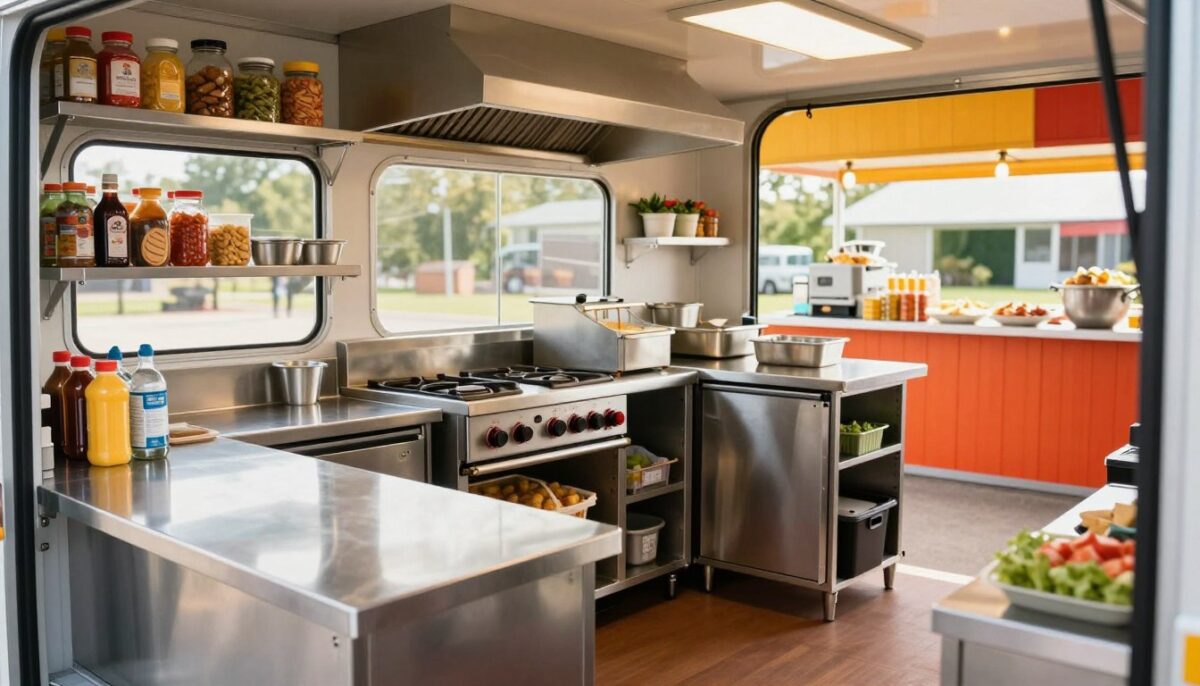
Optimizing the workflow in your kitchen on wheels involves strategically placing equipment and stations to minimize movement and maximize productivity. Here are some key considerations:
- Positioning cooking equipment in a logical sequence to reduce unnecessary movement.
- Ensuring that frequently used ingredients and utensils are easily accessible.
- Creating a dedicated area for food preparation, cooking, and plating.
As noted by Chef Jamie Oliver, “A well-organized kitchen is not just about aesthetics; it’s about creating an environment where chefs can perform at their best.”
“The kitchen is the heart of any food business, and in a mobile kitchen, every inch counts.”
Ergonomic Design Principles for Small Spaces
Ergonomic design is crucial in a mobile kitchen to prevent fatigue and injury among staff. Here are some ergonomic design principles to consider:
| Design Principle | Description | Benefit |
|---|---|---|
| Adjustable Workstations | Workstations that can be adjusted to fit different staff members. | Reduces strain and discomfort. |
| Strategic Equipment Placement | Placing equipment at comfortable heights to avoid bending or stretching. | Minimizes the risk of injury. |
| Adequate Lighting | Ensuring that the kitchen is well-lit to reduce eye strain. | Improves visibility and reduces errors. |
By incorporating these ergonomic design principles, you can create a more comfortable and efficient working environment for your staff.
Navigating Health and Safety Regulations in the United States
Navigating the labyrinth of health and safety regulations is a critical step for anyone in the mobile catering business. Ensuring compliance with these regulations is not only legally required but also essential for maintaining customer trust and avoiding costly fines. The mobile food service industry is subject to a complex array of regulations that vary significantly from one jurisdiction to another.
Understanding Local Health Department Codes
Local health department codes are a crucial aspect of operating a mobile food service. These codes dictate everything from the design of your food truck to the handling and preparation of food. It’s essential to familiarize yourself with the specific codes in each area you plan to operate.
- Research local health department requirements before launching your business.
- Ensure your mobile kitchen is designed with compliance in mind.
- Regularly inspect your equipment and facilities to maintain high standards.
Fire Suppression and Safety Compliance
Fire suppression systems are a critical component of food truck safety. These systems are designed to quickly extinguish fires in the kitchen area, preventing them from spreading and causing significant damage or harm.
Key considerations for fire suppression systems include:
- Choosing a system that is certified for use in commercial kitchens.
- Ensuring that the system is properly installed and regularly inspected.
- Training staff on the use of the fire suppression system.
The Importance of Professional Engineering and Design
Effective design and engineering are essential for a mobile kitchen to operate efficiently and safely. A well-engineered mobile kitchen or restaurant not only ensures compliance with various regulations but also enhances the overall operational efficiency.
CAD Modeling and Blueprint Development
The process begins with CAD modeling and blueprint development. This stage is crucial as it allows for the precise planning of the layout, equipment placement, and workflow within the mobile kitchen. Computer-Aided Design (CAD) software enables designers to create detailed, scalable models that can be adjusted according to the client’s needs and preferences.
Blueprints serve as a guide for the fabrication and installation of equipment, ensuring that every component fits perfectly and functions as intended. This meticulous planning phase helps in avoiding costly modifications later on.
Ensuring Compliance with DOT Standards
Another critical aspect of professional engineering in mobile kitchen design is ensuring compliance with Department of Transportation (DOT) standards. The DOT sets forth regulations regarding the safety and roadworthiness of vehicles, including mobile kitchens and restaurants.
Compliance involves several key factors, including the structural integrity of the vehicle, proper weight distribution, and adherence to safety standards for braking and suspension systems. A professionally engineered mobile kitchen will be designed with these factors in mind to ensure it is safe to operate on public roads.
| DOT Compliance Factors | Description | Importance |
|---|---|---|
| Structural Integrity | The vehicle’s frame and body are designed to withstand various stresses. | High |
| Weight Distribution | Proper distribution of weight ensures stability and safety on the road. | High |
| Safety Standards | Adherence to braking and suspension system standards. | Critical |
By focusing on professional engineering and design, mobile kitchen owners can ensure their businesses are not only compliant with regulations but also optimized for efficiency and safety. This foundational investment pays off in the long run through reduced maintenance costs and enhanced operational reliability.
Selecting Essential Cooking Equipment for Your Mobile Business
When it comes to running a successful kitchen on wheels, having the appropriate cooking equipment is paramount. The right equipment not only ensures that your food is prepared efficiently but also maintains the high quality that your customers expect.
For an on-the-go kitchen, the cooking equipment must be durable, efficient, and compliant with health and safety regulations. This means investing in commercial-grade appliances that are designed to withstand the rigors of mobile operation.
Commercial-Grade Ranges and Griddles
A commercial-grade range or griddle is often the heart of a mobile kitchen. These appliances need to be robust and versatile to handle a variety of cooking tasks. For instance, a high-quality griddle allows for cooking a range of menu items, from pancakes to seared meats, efficiently.
When selecting ranges and griddles, consider the power requirements and ensure that your mobile kitchen’s electrical system can support them. Additionally, look for models with precise temperature control to ensure consistent cooking results.
Refrigeration and Cold Storage Solutions
Adequate refrigeration is critical for maintaining food safety in a mobile food business. Your cold storage solutions must keep ingredients at the correct temperature, even in challenging environmental conditions.
Consider investing in high-quality refrigerators and freezers designed for commercial use. These units should be energy-efficient and have sufficient capacity to store all the ingredients needed for your menu items.
Proper refrigeration not only ensures compliance with health regulations but also helps in maintaining the freshness and quality of your ingredients, directly impacting the taste and safety of the food served to your customers.
Power Systems and Energy Solutions for On-the-Go Kitchens
Mobile kitchens require reliable energy solutions to operate efficiently. The power system is the backbone of any food truck or mobile catering business, enabling the operation of cooking equipment, lighting, and other essential systems.
A well-designed power system ensures that your mobile kitchen remains operational throughout the day, regardless of the location or event. It is crucial to consider the energy requirements of your cooking equipment, refrigeration units, and other appliances when selecting a power solution.
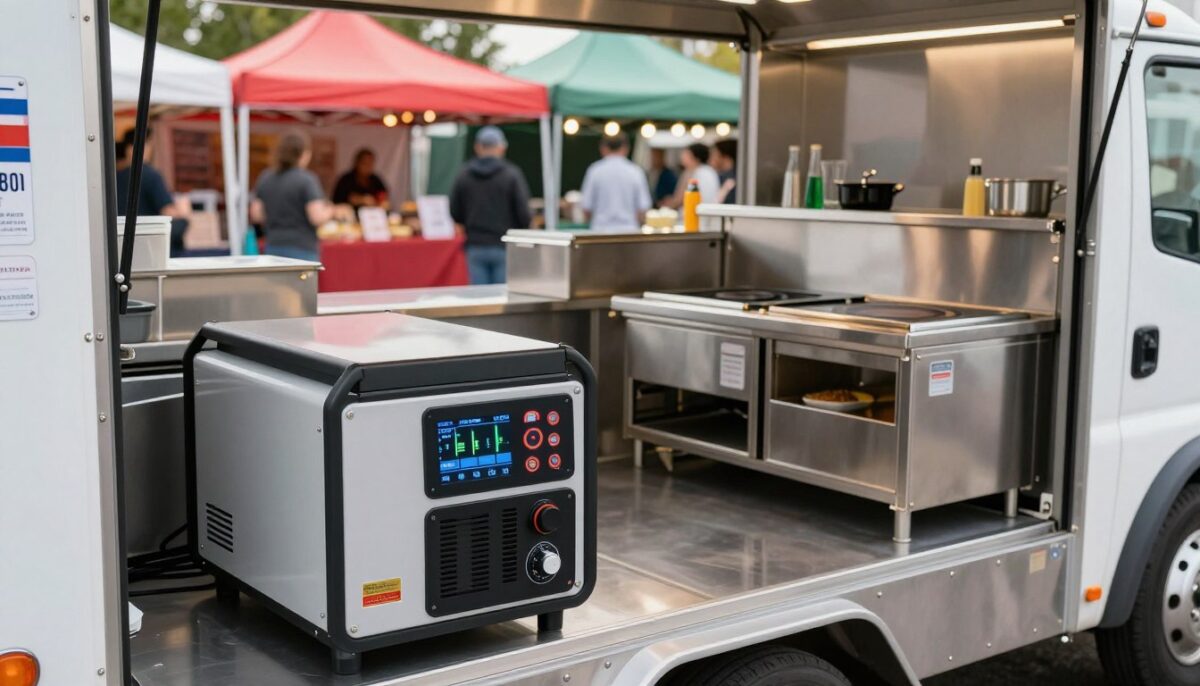
Generator Selection and Placement
Choosing the right generator is critical for providing a stable and reliable source of power. When selecting a generator, consider factors such as:
- Power output: Ensure the generator can handle the total power requirements of your equipment.
- Fuel efficiency: Opt for a generator that offers good fuel efficiency to minimize operating costs.
- Noise level: Consider a generator with a low noise level to avoid disturbing customers or violating noise regulations.
The placement of the generator is also important. It should be located in a well-ventilated area to prevent overheating and ensure safe operation. Proper maintenance of the generator is essential to extend its lifespan and prevent breakdowns.
Integrating Solar and Battery Backup Systems
In addition to traditional generators, integrating solar and battery backup systems can enhance the efficiency and sustainability of your mobile kitchen. Solar panels can provide a renewable source of energy, reducing your reliance on fossil fuels and lowering operating costs.
Some key benefits of solar and battery backup systems include:
- Reduced fuel consumption: Solar power can decrease your generator’s workload, resulting in lower fuel costs.
- Increased energy independence: With a battery backup system, you can continue operating during periods of low sunlight or when the generator is not in use.
- Environmental benefits: Solar energy is a clean and renewable source of power, reducing your carbon footprint.
When integrating solar and battery backup systems, it is essential to assess your energy requirements and ensure that the system is designed to meet your needs.
Plumbing and Water Management Systems
For a kitchen on wheels, a reliable plumbing and water management system is vital for daily operations. This system ensures that water is properly distributed throughout the mobile kitchen for cooking, cleaning, and hygiene purposes.
A well-designed plumbing system is not just about functionality; it’s also about compliance with health and safety regulations. In a mobile food service, having a robust plumbing system prevents water-borne illnesses and maintains a clean environment for food preparation.
Fresh Water Tank Installation
The installation of a fresh water tank is a critical aspect of the plumbing system in a portable kitchen. The tank must be durable, food-grade, and appropriately sized for the kitchen’s water needs.
- Material Selection: The tank should be made from a material that is resistant to corrosion and can withstand the rigors of mobile operations.
- Size Considerations: The size of the tank will depend on the kitchen’s water requirements, including cooking, cleaning, and handwashing needs.
- Installation: Proper installation is crucial to prevent leaks and ensure that the tank is securely fastened to the vehicle.
Grey Water Disposal and Filtration
Grey water disposal is another critical component of the plumbing system. Grey water includes wastewater generated from sinks, dishwashers, and other kitchen activities.
Effective grey water disposal involves:
- Collection: Grey water should be collected in a separate tank to prevent contamination of the fresh water supply.
- Filtration: Implementing a filtration system can help reduce the amount of waste and contaminants in the grey water.
- Disposal: Grey water should be disposed of at approved disposal sites or through a properly connected drainage system.
Exterior Branding and Aesthetic Appeal
Your food truck’s exterior is not just a means of transportation; it’s a mobile billboard that showcases your brand and culinary concept. In a crowded market, a well-designed exterior can be the key differentiator that attracts customers and sets your mobile restaurant apart from the competition.
The exterior design of your food truck is crucial for capturing the attention of potential customers and building brand identity. A visually appealing exterior can create a lasting impression, making people more likely to remember your brand and seek you out.
Vehicle Wraps and Visual Identity
A vehicle wrap is a vital component of your food truck’s exterior branding. It not only protects the vehicle’s surface but also serves as a large canvas for your brand’s visual identity. An effective vehicle wrap should be eye-catching, clearly communicate your brand’s message, and reflect the quality of your culinary offerings.
When designing your vehicle wrap, consider the following elements:
- Color Scheme: Choose colors that align with your brand’s identity and are visually appealing.
- Logo and Branding: Ensure your logo is prominently displayed and consistent with your overall brand image.
- Menu and Services: Highlight your menu offerings and any unique services you provide.
- Contact Information: Make it easy for customers to find you by including your website, social media handles, and contact details.
Lighting and Signage for Nighttime Operations
As the sun sets, your food truck’s lighting and signage become crucial for attracting customers during nighttime operations. Proper lighting not only enhances visibility but also adds to the ambiance, making your mobile kitchen more inviting.
Consider the following for effective nighttime branding:
- Install LED lighting that is energy-efficient and durable.
- Use illuminated signage to highlight your brand name and menu offerings.
- Ensure that your lighting design is compliant with local regulations and does not cause glare or disturbance.
By focusing on both vehicle wraps and nighttime lighting, you can create a cohesive brand image that attracts customers around the clock, maximizing your on-the-go kitchen’s visibility and appeal.
Budgeting for Your Mobile Food Business Investment
A well-planned budget is the backbone of a successful mobile food business venture. Entrepreneurs must consider various factors, including the cost of the mobile kitchen, equipment, staffing, and marketing expenses.
When planning a mobile food business, it’s essential to understand the financial implications of custom manufacturing. The initial investment can be substantial, and there are several hidden costs associated with customizing a mobile kitchen.
Hidden Costs of Custom Manufacturing
Custom manufacturing involves more than just the initial purchase price of the mobile kitchen. Other expenses to consider include:
- Design and engineering costs
- Permits and inspections
- Equipment installation
- Inspections and testing
These costs can add up quickly, and it’s crucial to factor them into your budget to avoid financial surprises.
Cost Breakdown for Custom Mobile Kitchen
| Component | Estimated Cost |
|---|---|
| Design and Engineering | $5,000 – $10,000 |
| Permits and Inspections | $1,000 – $3,000 |
| Equipment Installation | $8,000 – $15,000 |
| Initial Inventory and Supplies | $2,000 – $5,000 |
Financing Options for New Entrepreneurs
New entrepreneurs have several financing options to consider when launching a mobile food business. These include:
- Small Business Administration (SBA) loans
- Traditional bank loans
- Alternative lenders
- Crowdfunding
It’s essential to explore these options carefully and choose the one that best suits your business needs.
Maintenance Tips to Extend the Life of Your Mobile Kitchen
The longevity and efficiency of your mobile kitchen depend on regular maintenance checks. A kitchen on wheels, or a food truck, requires consistent upkeep to ensure it remains in good working order and continues to serve your mobile food service effectively.
Regular maintenance not only prevents breakdowns but also ensures that your equipment is running at optimal levels. This includes both routine mechanical inspections and deep cleaning protocols for kitchen equipment.
Routine Mechanical Inspections
Routine mechanical inspections are crucial for identifying potential issues before they become major problems. This includes checking the engine, transmission, and brakes of your food truck, as well as the condition of your kitchen equipment.
- Check the engine oil and coolant levels regularly.
- Inspect the brakes and replace worn-out parts.
- Ensure all kitchen equipment is in good working condition.
Regular inspections can help prevent costly repairs and downtime. It’s recommended to schedule these inspections at least once every few months, or as specified by the manufacturer.
Deep Cleaning Protocols for Kitchen Equipment
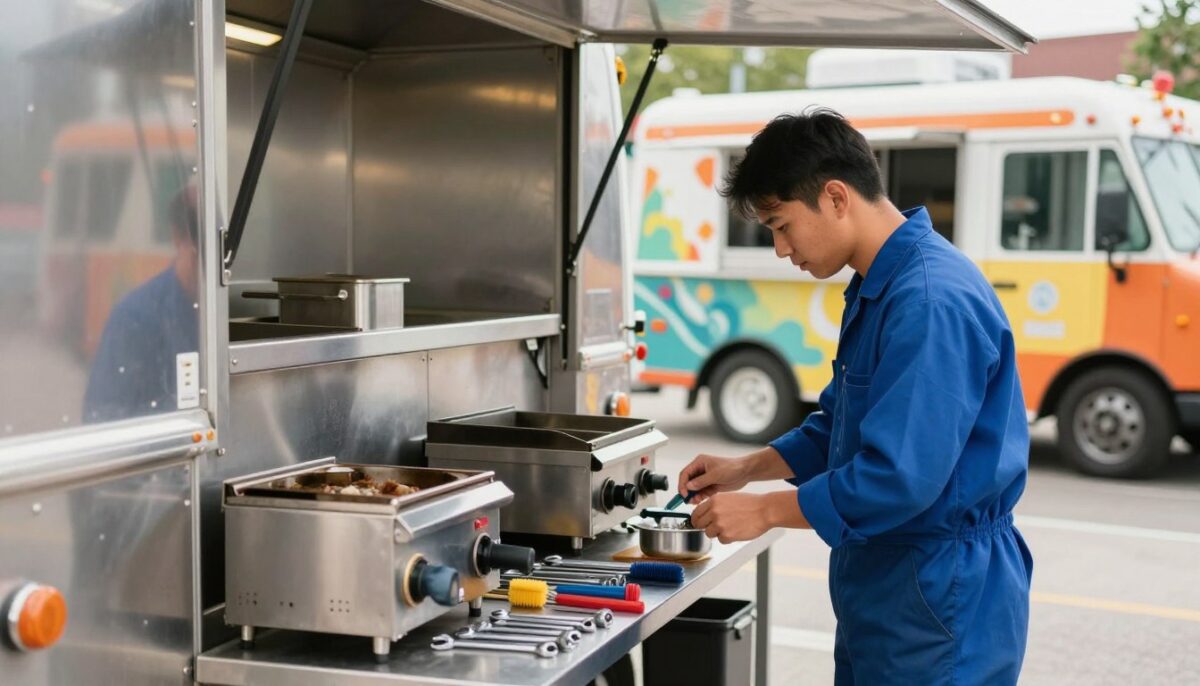
Deep cleaning is essential for maintaining hygiene standards in your mobile kitchen. This involves more than just daily cleaning; it requires a thorough sanitizing of all equipment and surfaces.
Deep cleaning protocols should be implemented regularly to prevent the buildup of bacteria and other contaminants. This includes:
- Disassembling equipment to clean hard-to-reach areas.
- Using appropriate sanitizing solutions for different surfaces.
- Paying special attention to areas around cooking equipment and food preparation zones.
By following these maintenance tips, you can extend the life of your mobile kitchen and ensure it continues to operate efficiently. Regular maintenance is key to the success of your mobile food service.
Understanding the Manufacturing Process from Concept to Delivery
The journey of creating a mobile kitchen involves a meticulous process that transforms your culinary vision into a fully functional mobile restaurant. This process is crucial for entrepreneurs who want to ensure that their investment is both viable and successful.
Understanding the steps involved in manufacturing a portable kitchen can help you make informed decisions and avoid potential pitfalls. The process begins with an initial consultation and design phase, where your ideas are translated into a detailed blueprint.
Initial Consultation and Design Phase
During the initial consultation, manufacturers work closely with clients to understand their specific needs and preferences. This phase involves creating a detailed design that incorporates the client’s culinary concept, branding, and operational requirements.
The design phase is critical, as it lays the foundation for the entire manufacturing process. It involves CAD modeling and blueprint development to ensure that the final product meets the client’s expectations and complies with regulatory standards.
Fabrication and Final Quality Assurance Testing
Once the design is finalized, the fabrication process begins. This involves constructing the mobile kitchen according to the approved design, using high-quality materials and equipment.
After fabrication, the mobile kitchen undergoes rigorous quality assurance testing to ensure that it meets the required safety and performance standards. This includes testing of electrical, plumbing, and cooking systems to guarantee that the kitchen is fully functional and ready for operation.
By understanding the manufacturing process, entrepreneurs can better appreciate the value of their investment in a mobile restaurant and ensure that their business is set up for success.
Sustainable Practices in Modern Food Truck Manufacturing
Sustainability has become a key consideration in the modern food truck manufacturing process, driven by both environmental concerns and operational efficiencies. As consumers increasingly prioritize eco-friendly practices, food truck manufacturers are adapting to meet these demands.
The shift towards sustainability in the food truck industry is multifaceted, involving everything from the materials used in construction to the appliances integrated into the kitchen. Eco-friendly manufacturing practices not only reduce the environmental footprint of food trucks but can also lead to cost savings through reduced energy consumption and waste.
Energy-Efficient Appliance Integration
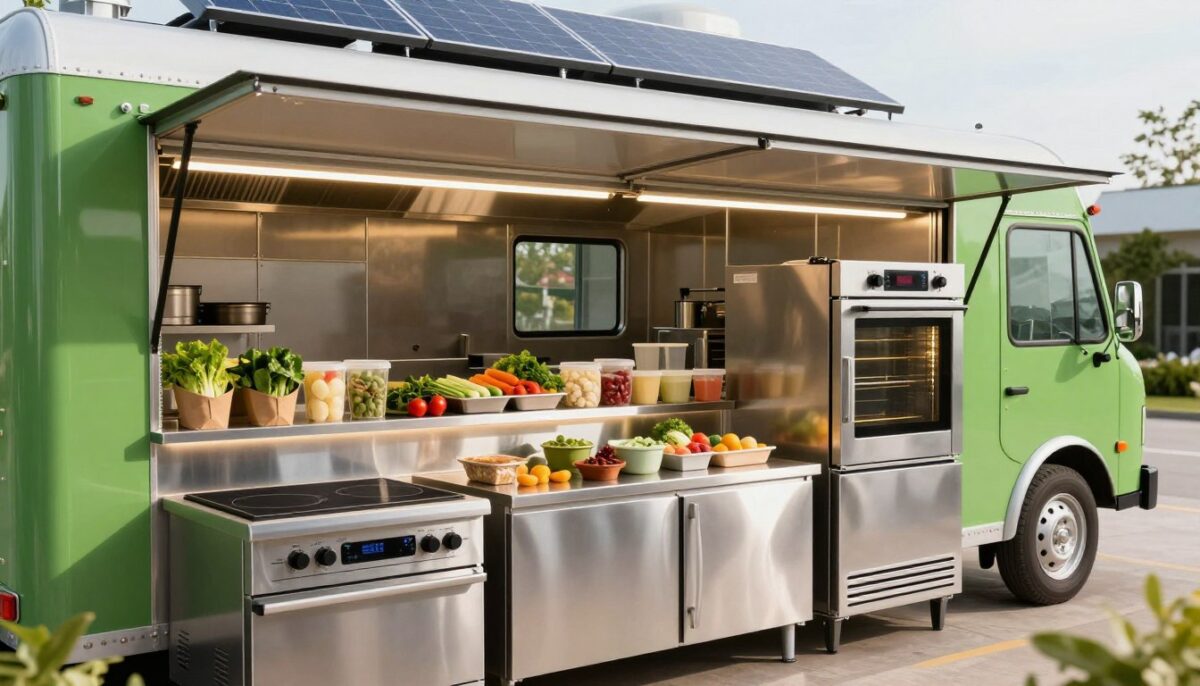
One of the primary ways food truck manufacturers are incorporating sustainability is through the integration of energy-efficient appliances. These appliances are designed to consume less power while maintaining high performance, crucial for on-the-go kitchens where energy resources may be limited.
- LED lighting reduces energy consumption and lasts longer than traditional lighting methods.
- Induction cooking is more energy-efficient than traditional gas or electric cooking methods.
- Energy-efficient refrigeration units help in maintaining the required temperatures while consuming less power.
Eco-Friendly Materials and Waste Reduction
Apart from energy efficiency, another critical aspect of sustainable food truck manufacturing is the use of eco-friendly materials. This includes materials that are recycled, recyclable, or sustainably sourced. Manufacturers are also focusing on reducing waste during the construction process.
Some strategies include:
- Using reclaimed or recycled materials for interior finishes.
- Selecting materials with low VOC (Volatile Organic Compound) emissions to improve indoor air quality.
- Implementing waste reduction and recycling programs during manufacturing.
By adopting these sustainable practices, food truck manufacturers can significantly reduce their environmental impact, contributing to a more sustainable future for the mobile catering industry.
Scaling Your Mobile Food Business Operations
Scaling a successful mobile food business requires strategic planning and efficient operations management. As your business grows, it’s essential to maintain quality and efficiency across all aspects of your operations.
Expanding to a Fleet of Mobile Kitchens
One of the key steps in scaling your mobile food business is expanding to a fleet of mobile kitchens. This involves not only increasing the number of kitchens but also ensuring that each unit maintains the high standards of your brand.
To achieve this, consider the following:
- Standardized Equipment: Ensure that all mobile kitchens are equipped with the same high-quality equipment to maintain consistency in food preparation.
- Centralized Management: Implement a centralized management system to oversee operations across all units, enabling real-time monitoring and swift decision-making.
- Comprehensive Training: Provide thorough training to staff across all locations to ensure they are familiar with your brand’s standards and procedures.
Leveraging Technology for Inventory and Sales
Technology plays a vital role in scaling a mobile food business. By leveraging the right tools, you can streamline inventory management and sales processes, enhancing overall efficiency.
Some key technologies to consider include:
- Inventory Management Software: Utilize software that can track inventory levels across all your mobile kitchens, automating ordering and reducing waste.
- Point of Sale (POS) Systems: Implement a POS system that integrates with your inventory management and sales data, providing real-time insights into your business performance.
- Online Ordering and Payment Systems: Integrate online ordering and payment systems to enhance customer convenience and increase sales.
| Technology | Benefits | Implementation Considerations |
|---|---|---|
| Inventory Management Software | Automated inventory tracking, reduced waste | Integration with existing systems, staff training |
| POS Systems | Real-time sales data, improved customer service | Hardware and software compatibility, staff training |
| Online Ordering and Payment Systems | Increased sales, enhanced customer convenience | Integration with existing POS, security measures |
Conclusion
Starting and growing a successful mobile food business requires meticulous planning and execution. By carefully selecting the right mobile kitchen or food truck, entrepreneurs can set the stage for a thriving mobile food service.
Understanding and complying with health and safety regulations is crucial, as is customizing the layout of the mobile kitchen for maximum efficiency. As the business grows, scaling operations effectively is key to continued success.
By focusing on quality, compliance, and innovation, entrepreneurs can build a loyal customer base and establish a strong presence in the dynamic mobile food industry. Whether you’re just starting out or looking to expand your mobile food service, careful planning and attention to detail are essential for achieving your goals.
A well-designed mobile kitchen or food truck is more than just a vehicle – it’s a mobile culinary experience that can bring people together and create lasting memories.
FAQ
How do I determine the right size for my new mobile kitchen?
What are the current trends shaping the mobile catering market today?
Which power systems are best for an on-the-go kitchen?
Why is professional CAD modeling important for a kitchen on wheels?
What kind of health and safety regulations should I expect for my mobile food service?
How can exterior branding impact the success of my mobile food business?
What are the essential maintenance steps for a food truck?
Are there financing options available for a new mobile kitchen?
How does the manufacturing process work from concept to delivery?
Can I scale my mobile catering business into a fleet?